That cloudy haze between the panes you can't wipe away is a failed window seal — and it means the window has lost its insulation, not just its looks. Replacing the sealed glass unit makes it clear and efficient again, usually without replacing the whole window. Serving Sugar Land and Fort Bend County.
A foggy double-pane window isn't dirty — it's failed. Modern home windows use an insulated glass unit: two panes of glass sealed together around the edge with a dry, often gas-filled space between them that does the insulating. Over time that edge seal can break down. Once it does, humid outside air seeps into the sealed space, and when the temperature drops, the moisture condenses into the haze you see between the panes. You can't clean it off because it's sealed on the inside. And here's the part that costs you money: the same failure that lets moisture in has also let the insulating gas out, so the window is no longer doing its job against the Texas heat. The fog is the visible symptom; the lost efficiency is the hidden one.
The dependable repair is to replace the insulated glass unit itself. If your frame and sash are still in good shape — and with seal failure, they usually are, because this is a glass problem, not a frame problem — the failed unit comes out and a new one goes in, sized and matched to your window. That restores both the clarity and the insulation, and it costs far less than replacing the entire window. You may have seen "window defogging" services that drill a hole to dry the unit out; that can clear the haze temporarily but it doesn't restore the gas fill or the seal, so the energy performance stays lost. Replacing the unit gets the whole window back, not just a clearer view.
If it feels like foggy windows are everywhere in Sugar Land, that's because the local conditions push seals to fail faster. Relentless sun and heat, high humidity, and big daily temperature swings all stress the edge seals of insulated units, so they tend to give out earlier here than in milder climates. There's also a batch effect: subdivisions across Fort Bend County were built out in waves, which means a whole neighborhood's windows are often the same age and reach seal-failure life around the same time. It's why homeowners frequently notice several windows fogging within a year or two of each other — and why it's usually worth replacing the failed units as a small group while we're already on-site.
The haze is gone for good because the failed unit is replaced, not dried.
A new sealed, low-E unit puts the insulation and heat rejection back to work.
Your sound frame and sash stay in place, so it's a fraction of a full replacement.
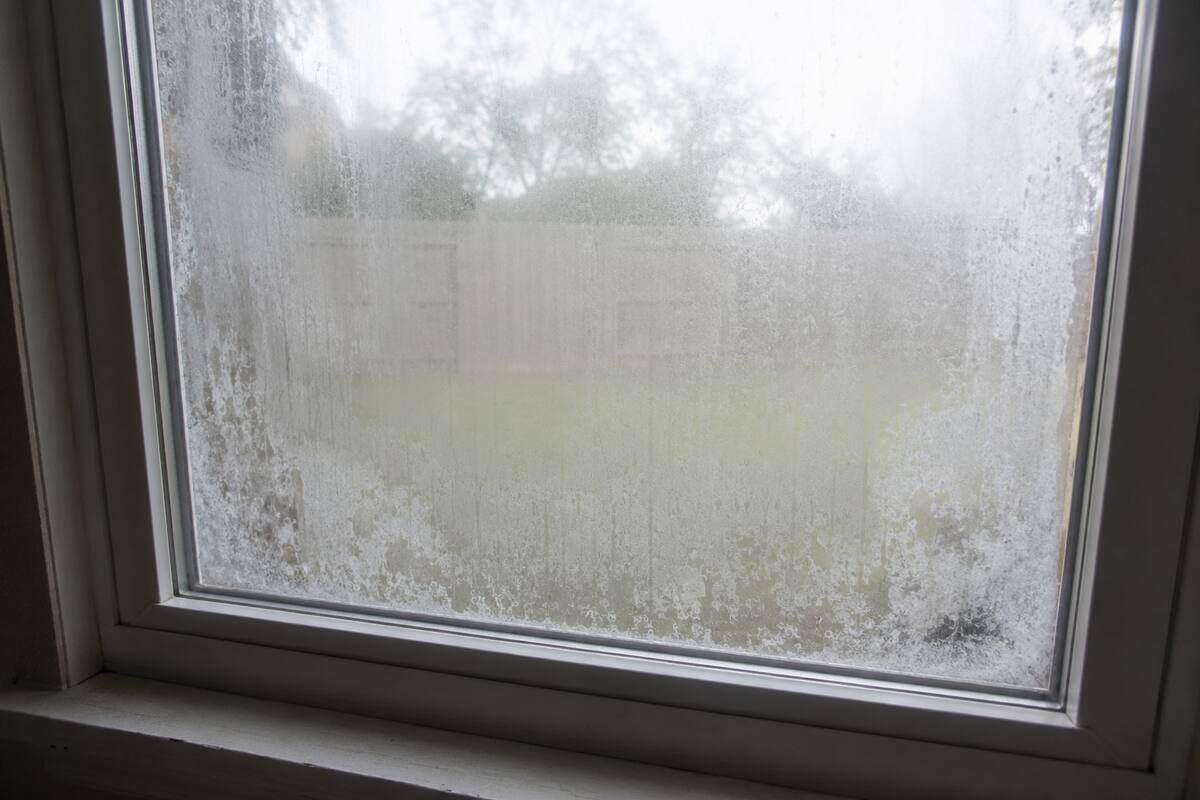
The fog is condensation trapped inside the sealed glass unit. When the edge seal fails, humid air gets in, moisture condenses between the panes, and cleaning doesn't help because it's on the inside. It also means the unit lost the insulating gas that made it energy-efficient.
The reliable fix is replacing the sealed insulated glass unit — not the whole window. If the frame and sash are sound, the failed unit comes out and a new one goes in, restoring clarity and insulation. "Defogging" that drills and dries a unit doesn't restore the gas seal or efficiency, which is why unit replacement is the durable answer.
Usually not. Seal failure is a glass problem, not a frame problem, so in most cases only the insulated glass unit is replaced and the existing frame stays — much less expensive than a full window replacement.
Insulated units have a service life, and homes built around the same time in the same subdivision often reach seal-failure age together. Sugar Land's heat, sun, and humidity accelerate it, so a whole batch of windows commonly starts fogging within a few years of each other.
Sealed-unit replacement across Sugar Land & Fort Bend County.
Call (346) 598-6368 Sugar Land